
Everything about myofascial massage
Myofascial massage, honestly, is much more than a simple relaxing gesture; it is an advanced hands-on therapy where the real star is the fascia. This thin “spiderweb” of connective tissue hugs and unites every muscle and organ inside you. While most classic massages focus on muscles, here the technique involves deep, slow stretches along with steady pressure to untangle the deeply rooted knots restricting your body. The big idea? Restore your mobility, ease chronic pain, and help your whole body work better by calmly addressing what’s going on beneath the surface, not just chasing after those superficial muscle aches.
What is exactly myofascial massage and how does it work in your body?
Some call it myofascial release, and the name fits perfectly. Myofascial massage is basically a strategy to help your body let go of more than just muscle tension; it targets the tricky restrictions hiding within your fascial network. Picture this: everywhere from your jaw to your toes, there is a three-dimensional net (made mostly of collagen and water, curious as it may sound) that easily adapts to all your daily twists and turns. Now, if you happen to have poor posture or suffer an injury, that web can stiffen and clump, sort of like clingy plastic wrap that just won’t let go. When this happens, you might notice unruly pain and occasional stiffness messing with how you move.
While a typical massage therapist might chase tight muscles, a myofascial therapist is like an investigator who searches for the real restrictions lurking under the surface. With careful hands, they search and find those tense knots, then gently but firmly hold, stretch, and wait for the tissue to finally “melt”. That’s when you start to feel the difference ( sometimes subtly, sometimes suddenly.
The key role of the fascia in pain and stiffness
Oddly enough, most people never realize this “web” is quite the multitasker. Collagen, elastin, and a splash of water come together to give your fascia a super flexible character. Sure, it can bounce back after a tough workout or a tricky move, but sometimes life takes its toll. Stress, a sprained ankle, or spending too many hours at your desk can cause this tissue to harden and stick, almost like super glue, limiting your range and causing pain in the most unexpected corners of your body.
The mechanisms that trigger relief
Honestly, what’s happening during a myofascial session goes far beyond simply working out “knots”. Several clever physiological processes spring into action, often leading to impressive results. Let’s look at how all these efforts combine behind the scenes:
- Fascial remodeling: Extended pressure and gentle stretching allow the tissue fibers to rearrange themselves, so those stubborn adhesions start to let go, helping you stretch better and feel looser in your movements.
- Fluid redistribution: By maneuvering the tissues, your therapist helps move the interstitial fluids around, which can make the sliding between muscle and fascia smoother and easier ( a bit like oiling a rusty hinge.
- Stimulation of mechanoreceptors: Turns out, your fascia is rich in tiny nerve endings that live just for the sensations of pressure and stretch. Stimulating these during massage can adjust how your nervous system perceives pain and muscle tone, making you feel more comfortable.
- Inflammation reduction: By working on both the tissue and the nerves, the therapy can sometimes calm down inflammation, which allows your body to heal better and faster.
- Improved blood flow: Loosening the stuck tissues frees up the tiny blood vessels, letting fresh oxygen rush in and helping your lymphatic system clear out unwanted waste products.
Which problems and pains is this massage recommended for?
If we had to point out one thing that makes myofascial massage shine, it’s how versatile it is. It steps up especially when other treatments haven’t worked, particularly for situations where pain or restricted movement seems to stubbornly linger. Because it addresses the foundation (the connective tissue), it often helps where other methods fall short.
The most common clinical applications
People turn to myofascial therapy for a good variety of reasons, some of which may surprise you. The most frequent cases include:
- Myofascial pain syndrome: Usually the top reason to try this approach, especially if you’re feeling those infamous “trigger points” that send pain elsewhere and keep you from moving well.
- Neck and lower back pain: Sometimes, chronic neck aches and stubborn backaches finally back down after a few sessions, as tension melts and the spine starts to move more freely.
- Fibromyalgia: It’s not unusual for these patients to feel at least a bit of relief, with less overall sensitivity and softer muscles.
- Sports injuries and overuse: After a sprain or muscle strain, this therapy can speed up recovery and get those tissues stretching comfortably again.
- Post-surgical scars and restrictions: When surgery leaves behind tightness and pain around scars, myofascial therapy helps soften those problem spots and bring back easy motion.
- Bruxism and temporomandibular joint disorders: Tight jaw? Sometimes all you need is help giving those chewing muscles a well-deserved break.
- Postural imbalances: By untangling restrictions along whole chains of muscles and fascia, many people notice real changes in how they stand and move.
Documented benefits you can expect
Studies and real-life stories both agree: there’s a strong chance of real improvements with myofascial therapy, especially when dealing with relentless discomfort. Here’s what developers and therapists often see in the clinic:
- Pain relief: Works well for both sudden and ongoing pain situations.
- Better joint mobility: Joints restricted by tight fascia often start to move more openly.
- Reduced muscle stiffness: Goodbye, knots and tough spots ( the tissue becomes noticeably softer.
- Boosted circulation: More blood and lymph flow means fresher tissues and faster recovery.
- Calming, relaxing effects: Many people leave their sessions noticeably less anxious and pleasantly calm, as if they hit a reset button.
- Postural retraining: Addressing deep fascial restrictions supports lasting corrections to your posture and body awareness.
What is a session like and which techniques are used?
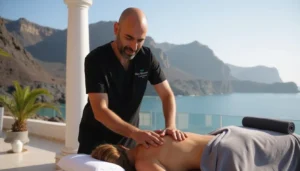
When you walk into a session, your therapist (usually a friendly and qualified professional) begins by gently examining which areas are blocked or limited, using hands-on tests and careful observation. Based on what they find, they choose a few techniques suited just for you.
The main hands-on techniques
Myofascial release is all about patient, deliberate nurturing of the fascia. The core methods include:
- Sustained direct pressure: Here, the therapist applies steady and gentle (but not timid!) pressure with fingers, knuckles, or even the forearm. The contact stays for up to several minutes, allowing the fascia to finally let go.
- Slow sliding or stretching: Instead of rushing, the movement is drawn out ( gliding along or across the muscle fibers until the tight spots feel more elastic.
- Shear techniques: Picture the therapist using their hands to nudge the fascial layers in slightly opposing directions, loosening their grip so everything glides more smoothly.
- Global myofascial stretching: Sometimes, they work on entire limbs or sections of the body at once, targeting long connective chains that run from neck to toe.
Key treatment parameters
Getting good results depends a lot on how the technique is tailored. The therapist adjusts everything based on your comfort and how your tissues respond, making each session just a little different.
How much pressure is applied?
You do not need to be stoic. The goal is to apply enough pressure to reach deep layers, but never so much that you grit your teeth. The feeling changes from a gentle resistance to a slow “melting” as things loosen up, always keeping a close eye on how your body reacts.
How long does a session last?
Sessions usually stretch from 30 to 60 minutes, but flexibility is important. Frequency can range from once to three times a week, depending on what’s going on with your body and how things progress. Each key technique at a given spot lasts a few minutes, but the pace can be adapted for individual needs.
Is it safe for everyone? Risks and contraindications
While myofascial massage generally enjoys a reputation for being low-risk, it’s important for trained professionals to apply it carefully. There are scenarios when this kind of therapy should be held off entirely to avoid unnecessary complications.
When to avoid myofascial massage
There are a handful of circumstances where experts would absolutely say “not this time”, mostly due to the real chance of harm. Some top red flags are:
- Active infections right where the therapy would take place (think cellulitis or abscess).
- Open wounds or unresolved, acute inflammation in the area.
- Confirmed malignant tumors in the target region.
- Serious blood clotting disorders or high-dose blood thinners.
- Recent or unstable bone fractures.
- Current deep vein thrombosis.
Precautions and risks to consider
For other situations, the therapy can go ahead, but the therapist must weigh risks and adjust techniques as needed. Considerations here include:
- Significant vascular changes such as severe varicose veins or marked swelling.
- Skin conditions, including eczema or psoriasis.
- Pregnancy (especially across the lower back or belly).
- Hypersensitivity or a strong intolerance to pain.
- Advanced osteoporosis (fragile bones mean greater caution).
Risks are rare, but after a session, you might feel some mild, short-lived pain or spots, a bit of bruising, or occasionally a temporary flare-up of symptoms. It seldom lasts long and typically fades as the body settles.
How is it different from other massages such as deep tissue?
Honestly, though at first glance myofascial massage, deep tissue massage, and myotherapy all promise pain relief for muscle-related troubles, their routes and the sensations they deliver are genuinely different. Choosing the most suitable one depends on what the therapist discovers during their first assessment and what you truly want to achieve.
| Characteristic | Myofascial Massage | Deep Tissue Massage | Myotherapy |
|---|---|---|---|
| Main purpose | To free restrictions in the fascia, which is connective tissue. | To address contractures and stubborn adhesions within deep muscle layers. | A comprehensive approach for restoring full muscle and joint function. |
| Technique | Gentle, slow, steady pressure. Purposeful slow movements. | Firm, intense pressure with friction and stripping motions. | A mix of massage, trigger point therapy, guided exercises, stretching. |
| Sensation | Usually soft, aiming for gradual release. Minimal sharp pain. | Can cause temporary discomfort both during and after. | Varies depending on the tools and methods used. |
| Typical duration | Sessions last 20-60 minutes each time. | Highly variable, usually targeted on one area. | Combines assessment, hands-on treatment, and recommended exercises. |
| Best for | Widespread pain, limited movement, fibromyalgia. | Severe contractures, pinpoint muscle pain, those classic “knots”. | Complex cases needing a broad and active approach. |
Who can perform a myofascial massage in Spain and where to find it?
In Spain, the people most recognized and trusted with myofascial massage are physiotherapists. It’s worth noting that while no official degree or national license is tied solely to myofascial release, these professionals are generally trained to provide this sort of therapy as part of their wider skills.
The regulation and professional training
Think of Spain’s General Council of Physiotherapists as the careful guardian, watching over the skills and standards of these professionals. Myofascial work is something they develop further during private postgraduate courses and ongoing training, so you’ll be in good hands when you seek out a reputable provider. The best training options tend to come from specialized private institutions and health academies aiming at healthcare workers.
The usual places where this service is offered
Privately run clinics and dedicated therapy spaces lead the way, as they allow for the focused, unhurried sessions myofascial work often demands. Even so, you can spot this therapy in a handful of different environments:
- Private physiotherapy clinics: These are still the go-to for expert evaluation and custom treatment.
- Rehabilitation centers: These centers use myofascial therapy as part of complex recovery plans, especially post-surgery or for people with long-term conditions.
- Osteopathy and manual therapy practices: When practitioners have studied both fields, they often blend techniques together.
- Gyms and wellness centers: More and more, these locations bring in physiotherapists to help athletes recover or prevent injuries through targeted massage.
Public health centers do offer some hands-on therapies, but with limited availability. Most people wanting extensive myofascial work, though, end up turning to private professionals, where time and specialized attention are easier to get.
In summary, myofascial massage stands out among hands-on therapies for its unique way of solving pain and movement limits stemming from connective tissue. By focusing specifically on the fascia, and not just the muscle, therapy aims to strike at the root cause, giving not only lasting relief but also a real boost in how you feel and function.
If you are tired of living with ongoing pain, looking to improve your sports performance, or finally want to tackle long-term posture issues, working with a physiotherapist skilled in myofascial techniques could be the change you’ve been hoping for. Once you appreciate just how much your body’s connective web does for you, you’ll be better equipped to make effective, empowering choices about your health, investing in treatments that do more than patch things up but truly restore your body’s natural balance.